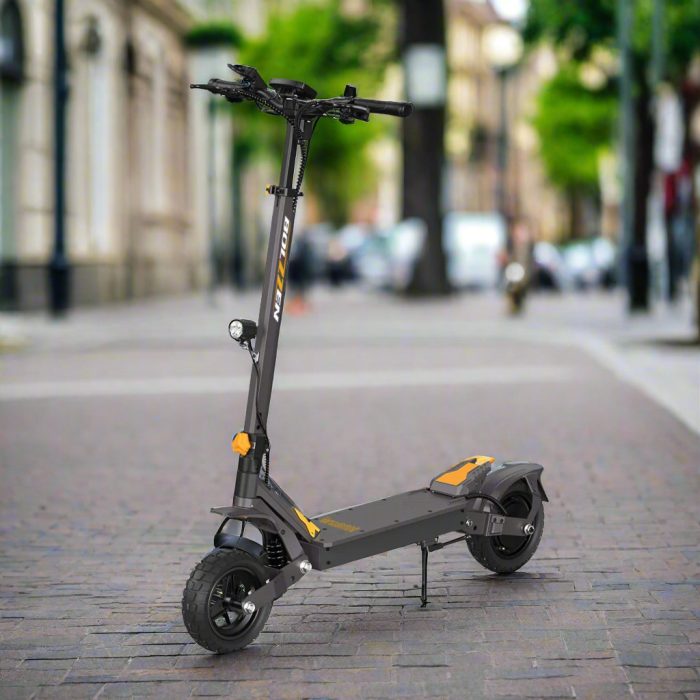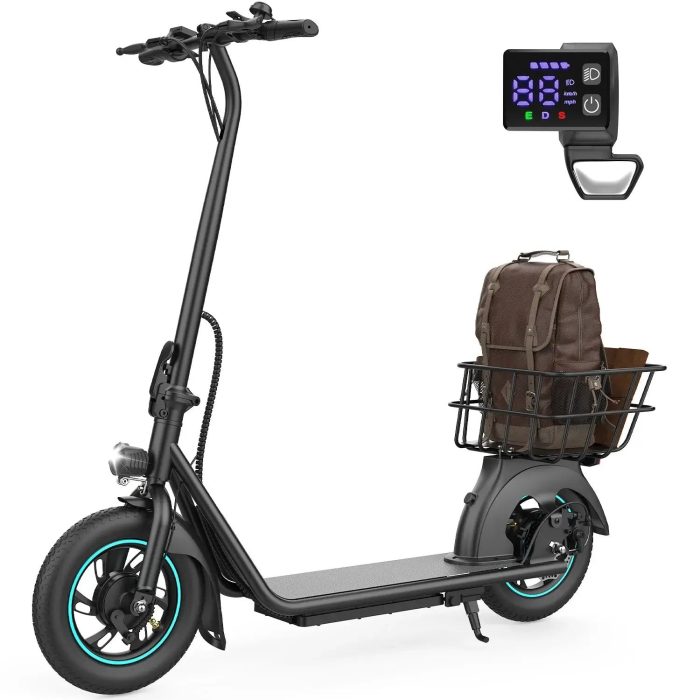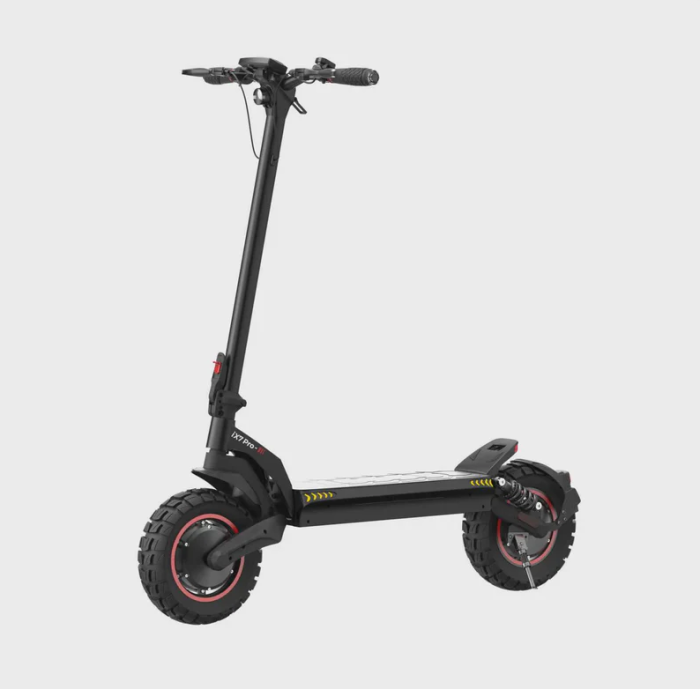
Legal electric mobility compliance in Queensland comes down to how a device is built, how the electric motor assists, and whether it fits Queensland Government transport and road rules for public roads and paths. That matters before you buy because some products sold online as “e-bikes” are actually illegal e-motorbikes or an electric motorcycle that cannot legally be ridden like a bicycle Queensland riders expect.
If you are comparing electric rides for commuting or everyday QLD use, knowing how to filter listings properly helps an e-bike rider avoid expensive mistakes and choose a legal e-bike that suits real-world riding conditions across roads and shared paths, bike lanes, footpath access areas, and other public spaces.

What Makes an E-Bike Legal in Queensland
Legal electric mobility compliance in Queensland starts with pedal-first design and controlled motor assistance. A compliant e-bike must still function like a bicycle. The e-bike must use pedal-assist or power assisted support, meaning the motor’s assistance supports the rider rather than replacing pedalling entirely.
| Legal feature | What to check | Common listing warning sign |
|---|---|---|
| Pedals | Fully functional pedal system intended as the primary drive method | Small decorative pedals fitted to motorbike-style frames |
| Continuous motor output | Maximum continuous power of 250 watts for EPAC models, or compliant 200W classification for older legal e-bikes | Only peak power output advertised with no continuous rated power disclosed |
| Assistance cut-off | Motor assistance stops at the legal speed limit of 25km/h | Claims like “unlock to 50km/h with app control” |
| Throttle function | If fitted, throttle is limited to low-speed startup assistance only | “Cruise at full speed without pedalling” claims |
The biggest compliance issue buyers miss is maximum continuous versus peak wattage. Continuous power of 250 watts refers to sustained legal electric power output. Peak watts are short bursts often used in marketing because they sound larger.
A listing advertising “250 watts nominal, 750W peak” may still be considered legal if maximum continuous power remains compliant and assistance cuts correctly. A listing showing 750W continuous power is a device that exceeds legal limits for use on roads and paths in Queensland.
Legal e-bikes comply with the European standard EN15194, also written as European standard en 15194. To be considered legal, the bike must comply with the European standard and must comply with the European testing requirements for EPAC classification.
Why Some “E-Bikes” Are Actually Illegal Electric Motorbikes
Legal electric mobility compliance in Queensland is often blurred by aggressive marketplace advertising. Some products labelled as an electric bike are actually a motorcycle-class illegal device or non-compliant electric motorbike.
Common misleading listing examples include:
- “1000W off-road e-bike, no licence or registration required”
- “Unlock to 50km/h using the companion app”
- “Pedal-assist style electric bike” with no continuous rated power disclosed
- “Ride throttle-only for effortless commuting”
These listings attract buyers because they promise more speed and less effort, but many are illegal for public roads and shared paths unless properly registered as a motorcycle.
If pedals look secondary, if the frame resembles a motorbike, or if compliance sticker details are missing, treat that as a clear signal the product may be illegal for public use. Queensland road enforcement can issue infringement notices had been issued previously, and authorities may impound illegal devices or seize illegal vehicles that fail compliance checks.
The Specs You Should Check Before Buying
Legal electric mobility compliance in Queensland becomes much easier when you know exactly what to verify before checkout.
| Check | Proceed | Verify further | Avoid |
|---|---|---|---|
| Continuous motor rating | Clearly stated maximum continuous compliant output | Only partial specification shown | No sustained rating disclosed |
| Speed cut-off | 25km/h clearly stated | Needs written seller confirmation | Marketed as unlockable or unrestricted |
| Pedal usability | Normal bicycle pedalling position | Unclear from photos | Decorative pedal placement |
| Supporting documentation | Technical compliance documents available | Seller says available on request | No documentation offered |
| Retailer support | Clear local servicing options | Limited product knowledge | Vague or evasive answers |
If EN15194 or European standard references are mentioned, treat them as supporting evidence rather than standalone proof of Queensland compliance. What matters most is whether the actual continuous rated power and motor assistance behaviour align with Queensland’s e-bike requirements.
This is where buying through an Australian retailer with servicing knowledge, such as Mini EVs, can help buyers ride a legal e-bike with confidence rather than relying on generic listings.

How E-Scooter Rules Are Different in Queensland
Legal electric mobility compliance in Queensland treats personal mobility devices differently from e-bikes. E-scooters and e-bikes are both a way to get around, but their road rules, give way rules, minimum age requirements, and path access rules explained by the Queensland Government differ.
| If your riding looks like this | E-bike may suit better | E-scooter may suit better |
|---|---|---|
| Longer mixed-route commuting | Yes | Sometimes restrictive depending on route access |
| Short urban trips | Good option | Often highly practical |
| Frequent carrying or storage convenience | Less convenient | Usually easier |
| Preference for regular bike handling | Ideal | Not suitable |
If your route depends heavily on roads and paths in Queensland that suit bicycle travel, an electric bike may make more sense. If portability matters more, an e-scooter may fit better.
Common Mistakes That Can Make a Legal Ride Illegal
Legal electric mobility compliance in Queensland can be lost after purchase through modifications.
Common examples include:
- Removing the 25km/h limiter through app settings
- Installing aftermarket controllers that increase maximum continuous power
- Adding unrestricted throttle kits
- Replacing compliant firmware with unrestricted overseas versions
- Unlocking settings intended only for use on private property
A rider may buy a compliant bike then accidentally create a non-compliant illegal device. If used on public roads and shared paths after modification, that bike could face fines, impound action, or seizure depending on Queensland road enforcement outcomes linked to the inquiry into e-mobility safety and use.

How to Buy with Confidence
Legal electric mobility compliance in Queensland is easier to manage when you buy through a retailer that understands electric bike rules and can explain whether bikes are legal for use on roads.
Ask direct questions such as:
- What is the continuous rated power output?
- Does motor assistance cut at 25km/h?
- Is this considered legal for Queensland roads and paths?
- Does it need a licence or registration?
- Can this electric bike be serviced locally?
Clear answers should be immediate and specific. If responses are vague, keep comparing. Queensland e-bike compliance should never feel uncertain at purchase.
Mini EVs helps riders compare legal e-bikes, understand e-bike laws, and choose compliant electric mobility that must follow Queensland Government requirements for safe public use.
Frequently Asked Questions
Can a retailer legally sell a non-road-compliant e-bike?
Yes. Some devices are sold for private property only. Buyers should never assume retail sale means legal for use on roads or allowed on paths in Queensland.
What if a bike ships locked to 25km/h but can be unlocked later?
If unlocking removes compliance controls, the bike becomes non-compliant for public roads and paths in Queensland.
What is the difference between peak and continuous watts?
Continuous power measures sustained legal electric motor output. Peak output is temporary. Queensland compliance is based on continuous power, specifically the continuous power of 250 watts limit.
Are all electric scooters legal if sold in Australia?
No. Riders must still check QLD-specific operating limits, age limit rules, and whether the product meets e-mobility safety standards for public spaces.
Disclaimer: This information is for general guidance only and does not constitute legal advice. Laws regarding electric mobility in Queensland are subject to change. It is the rider’s responsibility to ensure their device meets current state transport regulations and to operate it safely and legally. Mini EVs is not liable for any penalties or legal issues arising from the use or modification of these devices.
For official rules and technical requirements, visit the Queensland Government StreetSmarts e-mobility page.

Featured Products