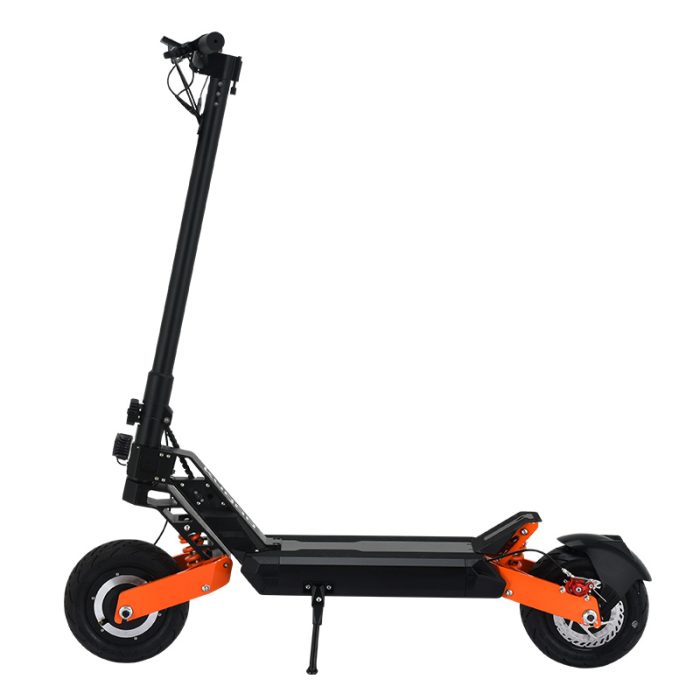
If you live in Queensland and you are thinking about buying a scooter or commuting on an e-scooter, you need the basics clear before you roll out. These rules sit under the Queensland Government and are built around managing safety on footpaths and shared spaces, not just on public roads. A rider who understands where they are allowed to ride, the speed limit by location, and the key road rules is far less likely to cop a fine. For advice on choosing a compliant electric scooter, talk with MiniEVs and get set up properly.

Do you need a licence to ride an e-scooter in Queensland
Need a licence is one of the biggest myths around scooter use. For a compliant personal mobility device, you do not need a driver licence, but you do need to follow the rules for personal mobility devices. That is the practical takeaway for anyone trying to ride an e-scooter for short trips or commuting.
Here is the part people miss. A personal mobility device is treated as a vehicle, so you are expected to follow general road rules even when you are not in traffic. The same applies whether you are in Brisbane, on a quiet suburban street, or on a busy riverside path.
If you are new to this, start simple. Learn where you are allowed to ride, check your route for signage, and stick to the right speed for the space. Once you have that sorted, the ride feels easier and calmer.
Age limit and who can ride a personal mobility device
The age limit matters because it is clear cut and easy to enforce. In Queensland, a rider must be at least 16, or at least 12 with adult supervision, and children under 12 are not allowed to ride. Brisbane has extra rules for shared hire devices, but the statewide minimums are the starting point.
This is also where parents get caught out. Buying a fast scooter does not make it suitable, and it does not change the legal threshold. If you are setting up a teen, choose a model that supports stable handling and predictable braking rather than chasing top speed.
If you are supervising someone aged 12 to 15, plan routes that reduce conflict. Stick to slower footpaths and shared corridors, avoid tight blind corners, and practise stopping smoothly before you mix with other path users.

Where you can ride an electric scooter on a footpath, shared path, or bike lane
Where you ride changes the rules you must follow. In Queensland you may ride on a path unless there is signage that says you are not allowed to ride, and the expectations are built around protecting a pedestrian in shared spaces. That means keep left, pass wide, and slow down early when the path gets crowded.
You will usually move through a mix of footpath links, a bike lane, and stretches of separated infrastructure. You can use a shared path where it is signed, and bike paths are also available in many areas. If you are unsure in a busy precinct, slow down and look for markings and signs before committing.
Road access is more limited and it is easy to get it wrong. You can use bike lanes on roads with a speed limit of 50 kilometres per hour, and you can also use lanes that are physically separated from other lanes when they are designed to protect you from traffic. You may ride on local streets that are 50 kilometres per hour or less with no dividing line or median strip, and you should keep well left.
Decision criterion: if your trip requires you to ride on the road for long sections, re check the route and look for bike paths and roads that keep you away from faster traffic. That makes the whole experience safer and more enjoyable.
Speed limit rules and the maximum speed by riding area
The speed limit is not one number. In Queensland the limit depends on where you are riding, and the safest approach is to ride to conditions rather than to your device’s top setting.
On a footpath, the maximum speed is lower and you should treat it as a slow shared zone. On a separated path or bicycle paths, the limit is higher, but you still need to scan ahead and avoid weaving. This is especially true around driveways, busier corners, and places where visibility drops.
Here is a simple guide you can remember.
| Where you ride | Typical maximum speed |
|---|---|
| footpath | 12 km per hour |
| shared path | 12 km per hour unless signed otherwise |
| separated path | 25 km per hour unless signed otherwise |
| bicycle paths | 25 km per hour unless signed otherwise |
Even when you are within the limit, be ready to slow right down. A rider who approaches calmly is less likely to collide, less likely to scare pedestrians, and less likely to invite complaints that lead to enforcement.

Road rules, general road rules, and what road users expect
E-scooter laws in Queensland sit alongside everyday traffic behaviour, not outside it. You must follow the rules for personal mobility devices, and you must follow general road rules when you are interacting with crossings, traffic lanes, and other road users. This is the part that keeps rides predictable for everyone around you.
If you cross at intersections, treat signals seriously. You are expected to stop and give way properly, and you should be stopping at red lights just like other vehicles. Do not cut corners through crowds, and do not assume drivers have seen you when you enter a crossing from a bike lane.
One rule is worth calling out because it is a common trap. Mobile phone while riding is illegal, including holding a mobile phone when you are stopped at the lights, and it is enforced. The same mindset applies to distractions like headphones at high volume or looking down at a screen while you move.
This section is the heart of scooter laws. If you stay predictable, signal your intentions, and ride at a safe distance, you will blend in better with bike riders and other path users.
Fines, increasing fines, and the most common mistakes
Most riders do not set out to break rules, but small lapses can still lead to a fine. In Queensland, fines cover common behaviours like riding where you should not, failing to give way, and ignoring signals. It is also worth noting there has been public attention on increasing fines and stronger enforcement around unsafe riding.
Here are the mistakes that tend to cause the most trouble.
- Riding too fast near pedestrians on a footpath
- Ignoring signs that show you are not allowed to ride
- Rolling through red lights and crossings without stopping
- Using a phone while moving or when stopped in traffic
You will also hear about road restrictions in simple terms. A scooter on the roads is not a free for all, and you need to understand the allowed lanes and street types before you ride on the road. If you are unsure, choose bike paths instead and connect with short path segments.
If you want to reduce risk fast, ride defensively and accept slower speeds in crowded areas. That is the easiest way to keep your record clean and your riding enjoyable.

Choosing a legal device and what electric scooters legal really means
Buying the right device is not just about comfort or range. It is about compliance, because that determines where you are allowed to ride and how you will be treated in enforcement checks. This guide is about electric scooter laws in Queensland, but your purchase choices affect how easy it is to follow them day to day.
Here is what to look for when you are shopping.
- A compliant personal mobility device with a small electric motor and stable handling
- Good braking and tyre grip for wet paths
- Front and rear lights so you are visible in low light
- A bell or warning device so you can alert path users
The phrase electric scooters legal is usually shorthand for this. A legal in Queensland setup is one that matches the device definition, is used in permitted places, and is not modified to encourage unsafe speed. If you are moving from another state or territory, do not assume the same rules and access apply here.
MiniEVs can help you pick a model that suits your commute, your storage needs, and your preferred riding surfaces. Ask about a setup that feels steady on an on-road bike lane and comfortable when you need to slow down around people.
Safe while having fun habits for every rider
You can be safe while having fun without turning every trip into a stressful mission. The best riding is smooth and predictable, and it respects the fact that paths are shared by people of different abilities and speeds.
Start with visibility and comfort. Wear a helmet, and consider protective gear like elbow and knee pads if you are building confidence. If you ride at dusk or after dark, a white front light matters, and strong rear visibility helps too.
Then focus on your positioning. Ride in bike lanes on roads only where it is permitted, keep left, and avoid sudden moves across a lane. If you are on a path, slow early when you approach crowds, and pass wide when you overtake. This remains for all other bike users as well, because predictable movement reduces surprises.
Finally, park thoughtfully. Do not block narrow sections of footpaths and shared paths, especially near ramps, crossings, and shopfront pinch points.

When this may not be the right fit
An e-scooter can be brilliant, but it is not always the right tool. If your daily trip forces you onto fast traffic corridors, or you cannot avoid complex intersections, an electric scooter in Queensland may not feel safe for you right now.
If your route is mostly crowded footpath sections, you will spend most of the time creeping and yielding, and that can frustrate everyone. In that case, compare with electric bikes for the same trip, because a longer bike path network can suit the journey better.
Also be honest about conditions. Wet surfaces, low light, fatigue, and distraction increase risk quickly. The laws to keep people safe only work when you choose the safest option for the moment.
Frequently Asked Questions
Next steps
If you want to ride an e-scooter confidently, start with a simple route that prioritises bike paths and quieter connectors, then build up from there. Keep your device maintained, keep your lights working, and treat the rules as a way to avoid conflict and stay safe.
Ready to choose a compliant scooter in Queensland that suits your commute in Brisbane and beyond? Browse MiniEVs at minievs.com.au and ask the team for help picking a model that matches the electric scooter rules in Queensland and your everyday riding needs.
Disclaimer
This article is general information only and is not legal advice. E-scooter laws, road rules, and enforcement can change, and local council conditions and signage may apply in addition to Queensland requirements. Before you ride an e-scooter, check the latest Queensland Government transport and motoring guidance and follow all posted signs on footpaths, shared paths, bike paths, bike lanes, and public roads.
MiniEVs aims to keep this guide accurate, but we do not guarantee it is complete or current for your specific situation. You are responsible for riding safely, complying with all applicable rules in Queensland, and using an appropriate, compliant personal mobility device. If you need advice for your circumstances, consider contacting the relevant authority or seeking independent legal advice.

Featured Products