When it comes to choosing an electric bike, there are a few different types of motor systems available. The two main types of motors are hub motors and mid-drive motors. Each type has its own advantages and disadvantages that make it better suited for different types of riders. In this article, we’ll look at the differences between the two motor systems so that you can make an informed decision about which one is best for you.

Understanding Hub Motors
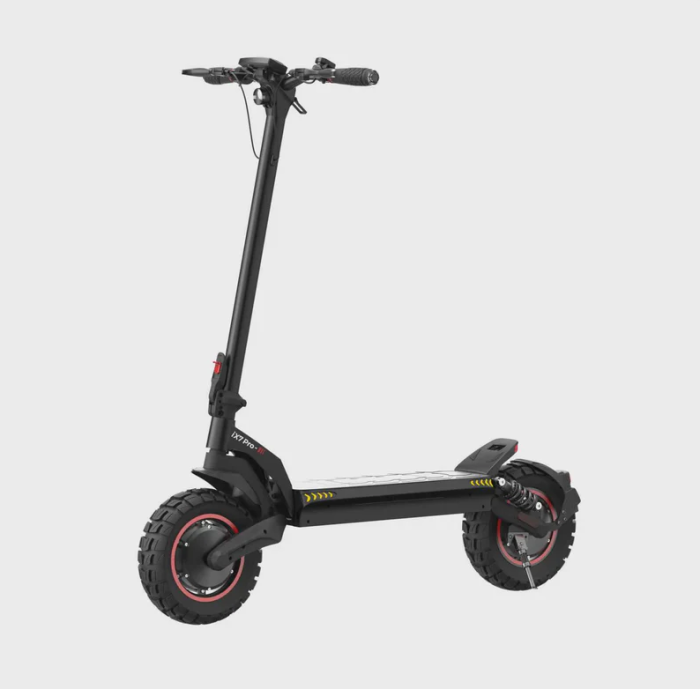
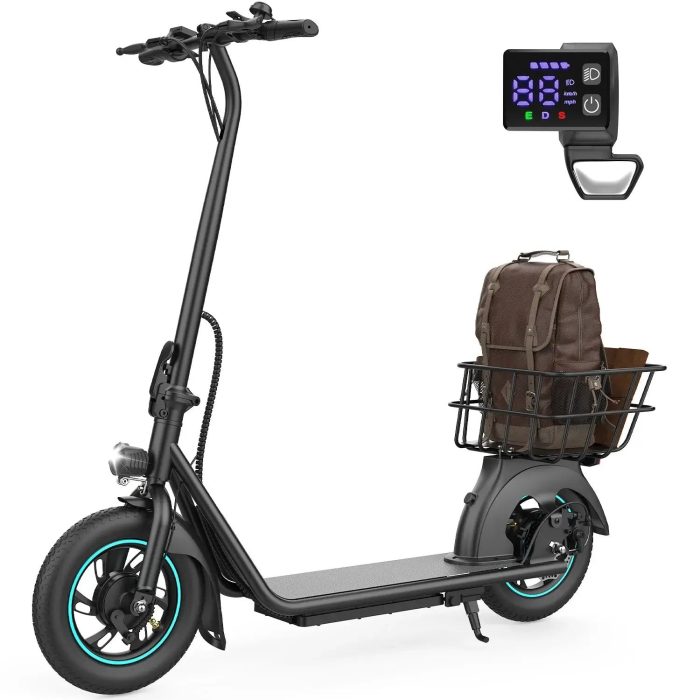
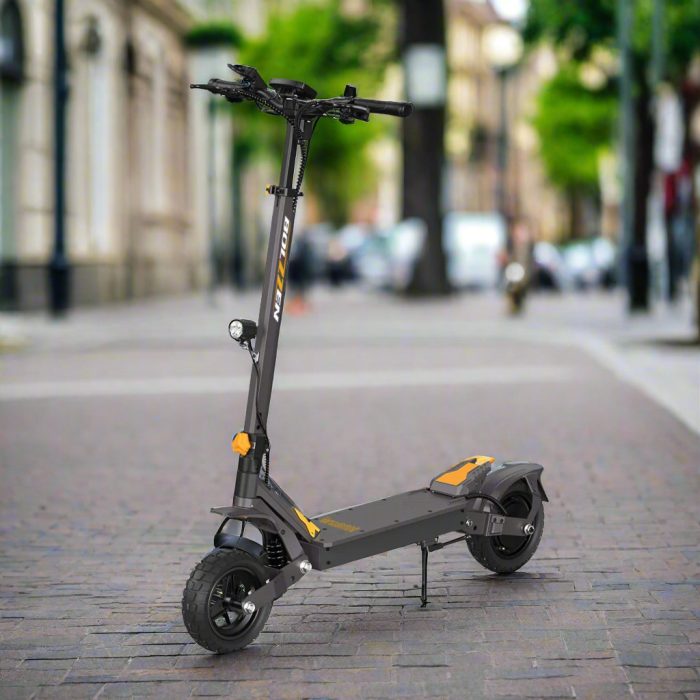
A hub motor is a motor that is built into the wheel of an electric bike. This allows for easy installation and removal of the motor, as well as providing more efficient power transfer. Most hub motors are brushless, meaning they don’t require brushes to switch on or off. This makes them quieter than brushed motors and also increases their efficiency. Hub motors tend to be lighter than mid-drive motors, making them ideal for riders who want a light electric bike with good power transfer.
Pros & Cons of Hub Motors
Pros
- Easy installation and removal
- Quieter operation
- More efficient power transfer
- Lighter weight
Cons
- Lower torque (power) output
- Limited speed (typically capped at 25 mph)
- Less responsive acceleration
Understanding Mid-Drive Motors
A mid-drive motor is mounted directly onto the frame of the electric bike, usually near the bottom bracket where your pedals attach to the frame. This allows for direct drive from the crankset so that you can leverage your own pedaling power to get more torque from the motor system (greater power output). Because these systems are mounted lower on the frame, they provide better balance and stability while riding than hub motors do, making them ideal for off-road riding or other situations where high performance is needed.
Pros & Cons of Mid-Drive Motors
Pros
- Higher torque (power) output
- Greater responsiveness & acceleration 3
Cons
- Higher complexity & cost
- Additional wear on the chain and drivetrain

Featured Products