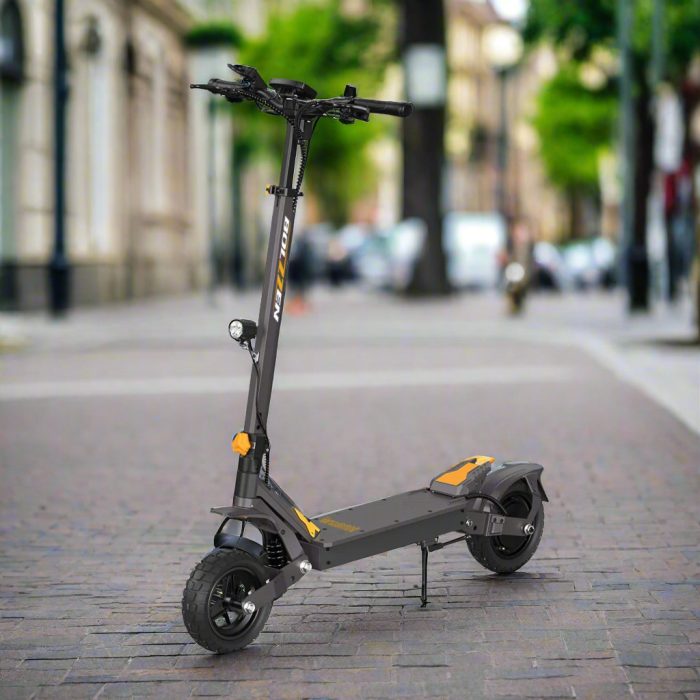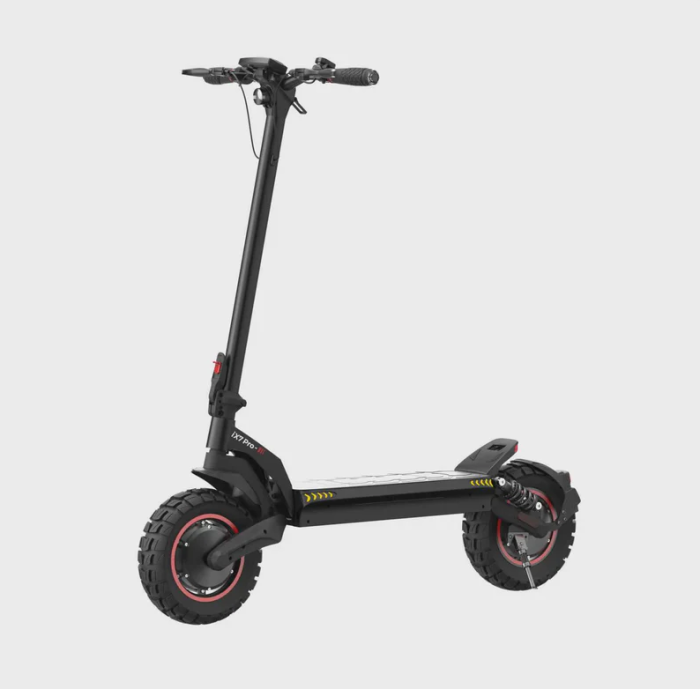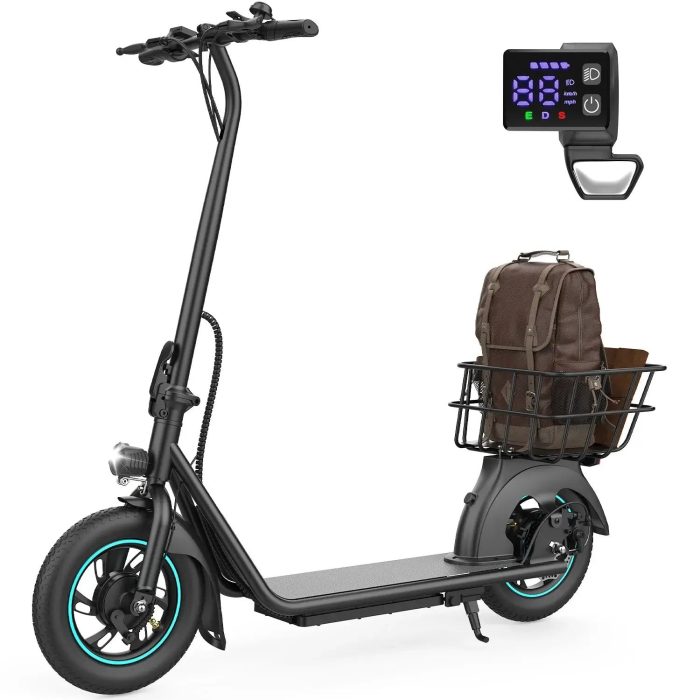
Petrol in Brisbane is sitting at $2.599 per litre right now. Electricity costs around $0.30 per kWh. Queensland public transport fares are fixed at $0.50 per trip. That means Brisbane commuters have more options than ever, but the real question is which one saves you the most money over time. Whether you ride an e-scooter, e-bike, e-skateboard, or e-motorcycle, you are spending fractions of a dollar per kilometre instead of big dollars. MiniEVs helps Brisbane riders understand exactly how much they can save by switching to electric rides and tracking their mileage properly. Explore your options today and start keeping more money in your pocket.

What does it actually cost per kilometre to ride electric in Brisbane
Every electric ride uses a small amount of electricity to charge. At Brisbane’s current residential rate of approximately $0.30 per kWh, the cost to charge and ride each type of electric vehicle breaks down like this.
E-Scooter: A typical commuter e-scooter has a 0.9 kWh battery and delivers around 60 to 70 km of range. A full charge costs roughly $0.27. That works out to about $0.004 per kilometre.
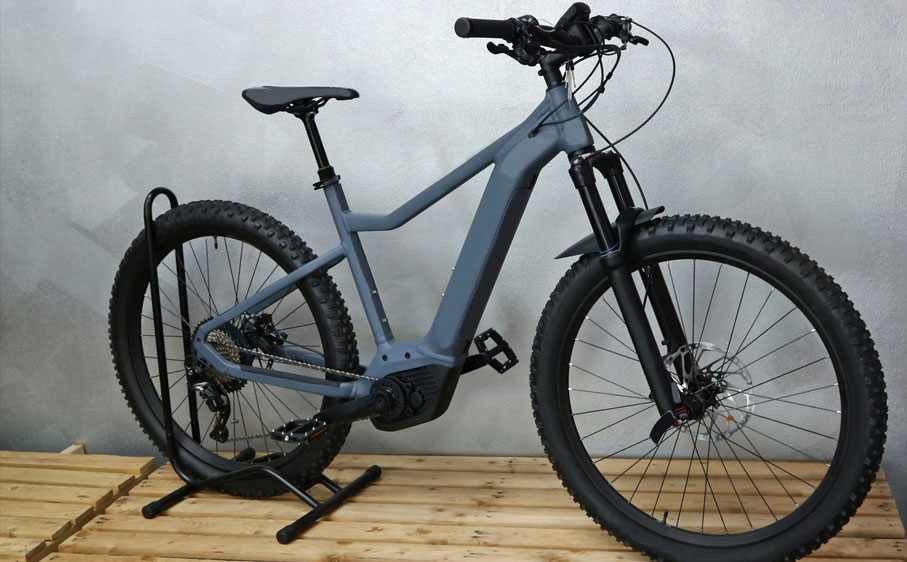
E-Bike: Most commuter e-bikes carry a 0.5 kWh battery and cover 50 to 80 km per charge depending on how much pedal assist you use. A full charge costs around $0.15. That puts the running cost at approximately $0.002 to $0.003 per kilometre.
E-Skateboard: Electric skateboards typically have a 0.2 to 0.4 kWh battery and cover 20 to 35 km per charge. A full charge costs between $0.06 and $0.12. Running cost sits at about $0.003 to $0.005 per kilometre.
E-Motorcycle: Electric motorcycles carry larger batteries of 3 to 6 kWh and cover 80 to 150 km per charge. A full charge costs between $0.90 and $1.80. That brings the running cost to roughly $0.01 to $0.02 per kilometre.
Car (petrol): The average car in Australia uses about 8 litres per 100 km. At $2.599 per litre in Brisbane, that is $0.21 per kilometre in fuel alone, before you add insurance, registration, servicing, and depreciation.
Public Transport (bus and train): Queensland’s flat $0.50 per trip fare means a return commute costs $1.00 per day regardless of distance. On a 30 km round trip, that works out to roughly $0.033 per kilometre. While this is cheap, you are locked into fixed routes, fixed schedules, and travel times that are often double or triple the time of riding direct.
| Vehicle | Charge/Trip Cost | Range Per Charge | Cost Per Km |
|---|---|---|---|
| E-Scooter | $0.27 | 60–70 km | ~$0.004 |
| E-Bike | $0.15 | 50–80 km | ~$0.002–$0.003 |
| E-Skateboard | $0.06–$0.12 | 20–35 km | ~$0.003–$0.005 |
| E-Motorcycle | $0.90–$1.80 | 80–150 km | ~$0.01–$0.02 |
| Public Transport | $1.00 return | Any distance | ~$0.033 |
| Petrol Car | $20.79 per 100 km | 100 km | ~$0.21 |
Your electric ride costs a fraction of a dollar per kilometre. Public transport at $0.50 per trip is affordable but still 8 to 16 times more expensive per kilometre than an e-scooter or e-bike. A petrol car costs 50 to 100 times more per kilometre just in fuel.

How much can you save over 1, 3, 6 and 12 months
The savings become dramatic when you calculate them over time. The table below assumes a daily commute of 15 km each way (30 km round trip) over 22 working days per month, comparing all transport options.
Monthly kilometres: 660 km
| Vehicle | 1 Month | 3 Months | 6 Months | 12 Months |
|---|---|---|---|---|
| Petrol Car (fuel only) | $138.60 | $415.80 | $831.60 | $1,663.20 |
| Public Transport ($0.50 x 2 trips x 22 days) | $22.00 | $66.00 | $132.00 | $264.00 |
| E-Scooter | $2.64 | $7.92 | $15.84 | $31.68 |
| E-Bike | $1.65 | $4.95 | $9.90 | $19.80 |
| E-Skateboard | $2.64 | $7.92 | $15.84 | $31.68 |
| E-Motorcycle | $9.90 | $29.70 | $59.40 | $118.80 |
Your savings vs a petrol car (fuel cost only)
| Vehicle | 1 Month Saved | 3 Months Saved | 6 Months Saved | 12 Months Saved |
|---|---|---|---|---|
| E-Scooter | $135.96 | $407.88 | $815.76 | $1,631.52 |
| E-Bike | $136.95 | $410.85 | $821.70 | $1,643.40 |
| E-Skateboard | $135.96 | $407.88 | $815.76 | $1,631.52 |
| E-Motorcycle | $128.70 | $386.10 | $772.20 | $1,544.40 |
| Public Transport | $116.60 | $349.80 | $699.60 | $1,399.20 |
Your savings vs public transport
| Vehicle | 1 Month Saved | 3 Months Saved | 6 Months Saved | 12 Months Saved |
|---|---|---|---|---|
| E-Scooter | $19.36 | $58.08 | $116.16 | $232.32 |
| E-Bike | $20.35 | $61.05 | $122.10 | $244.20 |
| E-Skateboard | $19.36 | $58.08 | $116.16 | $232.32 |
| E-Motorcycle | $12.10 | $36.30 | $72.60 | $145.20 |
Even against Queensland’s heavily subsidised $0.50 fares, an e-scooter or e-bike saves you over $230 per year in running costs alone. That does not account for the time you save by riding direct instead of waiting for buses, transferring between services, and walking from stops.
That is over $1,600 saved per year vs a petrol car in fuel costs alone on an e-scooter or e-bike. When you add in car insurance, registration, servicing, and depreciation, the real savings for replacing a second car can exceed $5,000 to $8,000 per year.
You can compare electric ride models and prices to find the best match for your daily commute.
Why electric rides still beat $0.50 public transport
Queensland’s $0.50 flat fare is one of the cheapest public transport deals in Australia. But cheaper does not always mean better value. Here is what the $0.50 fare does not cover.
Time cost: The average Brisbane commuter spends 85 minutes per day on public transport. An e-scooter or e-bike covering the same 15 km commute typically takes 30 to 45 minutes door to door. Over a year, that is hundreds of hours saved.
Flexibility: Buses and trains run on fixed schedules. If you miss one, you wait. An electric ride goes when you go. No timetables, no delays, no cancelled services.
Last mile problem: Many commuters still need to walk 10 to 20 minutes from the train station or bus stop to their workplace. An e-scooter folds up and goes with you, eliminating that gap entirely.
Weekend and off-peak travel: The $0.50 fare applies per trip, so a family of four going somewhere and back costs $4.00. An e-ride costs the same fraction of a dollar whether it is Tuesday morning or Sunday afternoon.
Health and wellbeing: E-bikes give you light exercise on every commute. Public transport gives you a crowded carriage and someone else’s playlist through a tinny phone speaker.
The smart combination: Many Brisbane riders use an e-scooter or e-skateboard combined with the train. Ride to the station, fold your e-scooter, take the $0.50 train, then ride the last kilometre to work. You get the best of both worlds for under $0.55 per trip.
Parking savings Brisbane riders forget to count
Here is where electric rides deliver a second wave of savings that most people overlook. Brisbane CBD has some of the most expensive parking in Australia.
Brisbane CBD parking costs:
- Casual daily parking: $24 to $80 per day
- Monthly parking pass: $410 or more per month
- Street metre parking: $1 to $4.70 per hour depending on the zone
- Early bird parking: $18 to $35 per day
E-scooters, e-bikes, and e-skateboards do not need a parking spot. You fold your e-scooter and bring it inside. You lock your e-bike to a free bike rack. Your e-skateboard goes under your desk.
Parking savings if you commute to Brisbane CBD 22 days per month
| Parking Type | Monthly Cost | 3 Months | 6 Months | 12 Months |
|---|---|---|---|---|
| Early bird ($25/day avg) | $550 | $1,650 | $3,300 | $6,600 |
| Monthly pass | $410 | $1,230 | $2,460 | $4,920 |
| Public Transport | $0 | $0 | $0 | $0 |
| Electric ride parking | $0 | $0 | $0 | $0 |
Both public transport and electric rides eliminate parking costs. However, a commuter who currently drives and pays for parking would save between $4,920 and $6,600 per year just on parking. Combine parking and fuel savings with an electric ride and you are looking at total savings of $6,500 to $8,200 annually. Even switching from car to public transport saves the parking but still costs $264 per year in fares. An e-scooter or e-bike saves both the parking and the fare.
Total annual savings comparison vs driving a petrol car with CBD parking
| Switch To | Fuel Saved | Parking Saved | Fare Cost | Total Saved Per Year |
|---|---|---|---|---|
| E-Scooter | $1,631.52 | $4,920–$6,600 | $0 | $6,551–$8,231 |
| E-Bike | $1,643.40 | $4,920–$6,600 | $0 | $6,563–$8,243 |
| E-Skateboard | $1,631.52 | $4,920–$6,600 | $0 | $6,551–$8,231 |
| E-Motorcycle | $1,544.40 | $4,920–$6,600 | $0 | $6,464–$8,144 |
| Public Transport | $1,399.20 | $4,920–$6,600 | -$264.00 | $6,055–$7,735 |
Electric rides save more than public transport in every scenario because you pay no fare and no parking.
Which electric ride suits your Brisbane commute
Not every electric ride fits every journey. Here is a quick guide to help you match your commute to the right vehicle.
E-Scooter — Best for short to medium commutes (5 to 15 km)
Folds down for storage, light enough to carry onto public transport for the last mile, and costs almost nothing to run. Ideal for commuters who combine riding with a $0.50 bus or train.
E-Bike — Best for medium to longer commutes (10 to 25 km)
Pedal assist keeps you moving without arriving drenched in sweat. Cargo options let you carry shopping or a laptop bag. Great for hilly Brisbane suburbs like Paddington, Red Hill, or West End.
E-Skateboard — Best for short flat commutes (3 to 10 km)
Compact and portable. Fits under a desk or in a locker. Perfect for students commuting to QUT, UQ, or Griffith, or short trips to the shops.
E-Motorcycle — Best for longer commutes replacing a second car (15 to 50 km)
Higher upfront cost but dramatically lower running costs than a petrol motorcycle or car. Suitable for riders who need speed and range without the parking headaches.
E-Rides (General and Kids) — Covers a broad range of electric personal transport including Razor Crazy Carts, electric ride-ons, and compact EVs for recreational or neighbourhood use.
E-Scooter + $0.50 Train Combo — Best for longer mixed commutes (15 to 30 km)
Ride your e-scooter to the station, fold it, take the $0.50 train across the city, then ride the last stretch to your workplace. Total cost per trip: approximately $0.52. That is still cheaper than driving by a massive margin and faster than bus-only routes.
You can browse the full range of electric rides to see which option suits your lifestyle and budget.
Why e-bikes go further and never leave you stranded
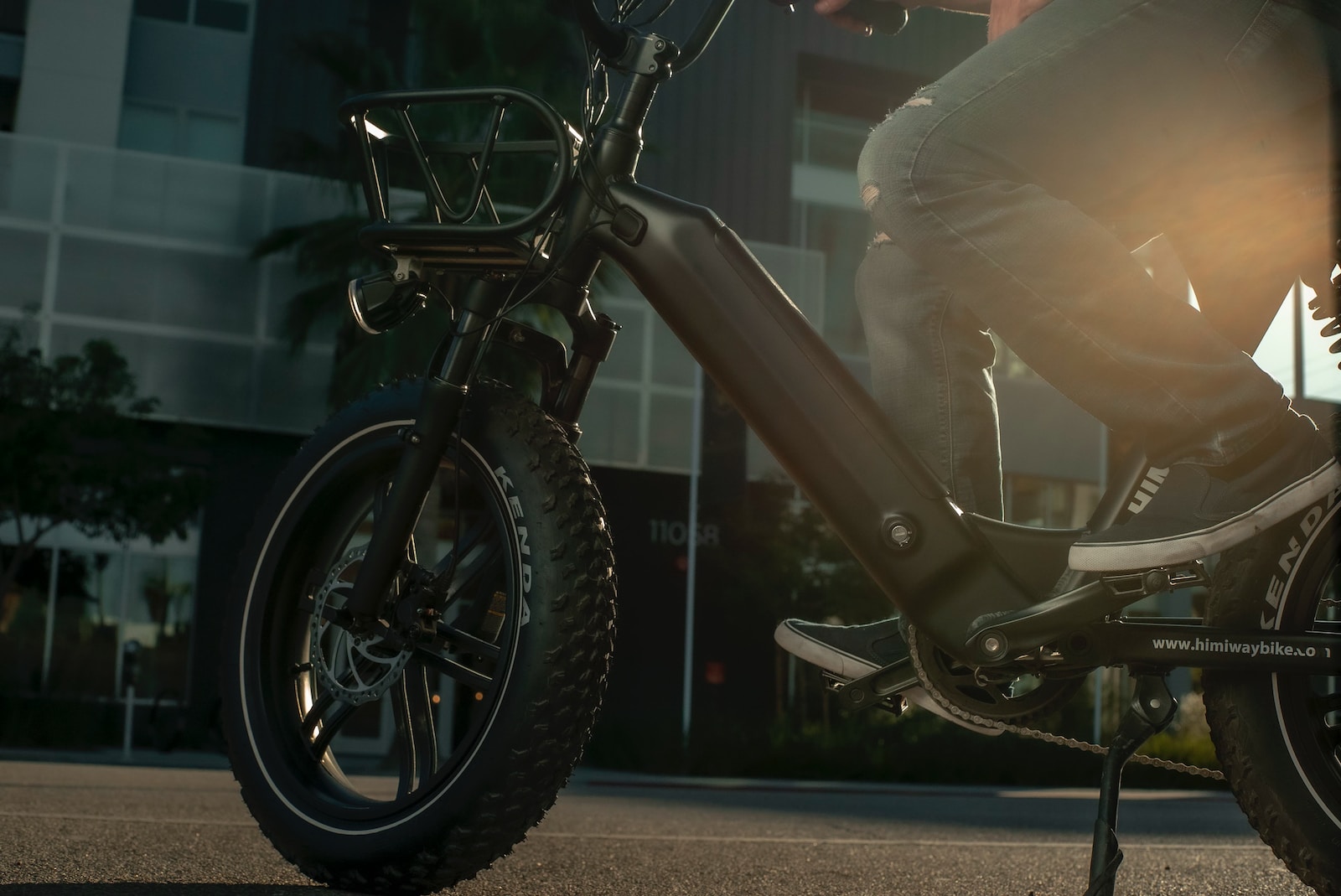
When fuel prices climb and every dollar matters, range becomes critical. An e-bike delivers 50 to 120 km on a single charge depending on the model and how much pedal assist you use. That is nearly double the range of most commuter e-scooters, which typically cover 25 to 70 km per charge.
The reason is simple. An e-bike rider contributes pedal power, which means the motor works less and the battery lasts longer. On a low assist setting, the battery barely drains at all. On an e-scooter, the motor does 100 per cent of the work, so the battery drains faster across the same distance.
But the biggest advantage is what happens when the battery hits zero. An e-bike becomes a regular bicycle. You keep pedalling and you get home. An e-scooter becomes a heavy, awkward object you have to kick-push or carry. An e-skateboard becomes a plank you tuck under your arm. An e-motorcycle becomes a 100+ kg problem on the side of the road.
For Brisbane commuters watching fuel prices push past $2.599 per litre, the e-bike offers the ultimate peace of mind. You will never be stranded and you will never need to stop at a servo. Your legs are the backup generATOr that no other electric ride can match.
Range comparison at Brisbane electricity rates ($0.30/kWh)
| Vehicle | Brand / Model | Battery Size | Range Per Charge | Charge Cost | Cost Per Km | When Battery Dies |
|---|---|---|---|---|---|---|
| E-Scooter | Mearth RS Pro | 749 Wh | 100 km | $0.22 | $0.0022 | Kick-push — very slow |
| E-Scooter | Mearth GTS Evo | 1,060 Wh | 100 km | $0.31 | $0.0031 | Kick-push — very slow |
| E-Skateboard | Evolve | 200–400 Wh | 15–35 km | $0.06–$0.12 | $0.003–$0.008 | Carry it |
| E-Rides / Kids | Razor Crazy Carts | Varies | 5–15 km | $0.03–$0.05 | $0.003–$0.01 | Push or walk |
E-bikes also charge faster relative to range delivered. A 0.5 kWh battery charges in 3 to 4 hours and gives you 50+ km. That same $0.15 worth of electricity in a petrol car would move you less than 1 km.
If you are choosing one electric ride to replace your car on the most days possible, the e-bike is the strongest all-round option. You can explore the full range of e-bikes at MiniEVs and find one that matches your commute distance, terrain, and budget.
How the ATO per km method works for electric ride owners
If you use any vehicle for work-related travel, the ATO allows you to claim a fixed rate per kilometre. The current rate is $0.88 per km for up to 5,000 business kilometres per year.
This method is simple. You track your work-related kilometres, multiply by $0.88, and include the deduction in your tax return. You do not need to keep receipts for charging costs, maintenance, or registration because the fixed rate covers all of those expenses.
For electric ride owners, this is particularly powerful. Your actual running cost is a fraction of a dollar per kilometre, but you claim the full $0.88. The gap between what you spend and what you claim is significant.
Example: A sole trader who rides an e-bike 5,000 km for work in a year can claim $4,400 on their tax return. Their actual electricity cost for those 5,000 km is roughly $15. That is a real tax benefit of $4,385 above actual costs.
Public transport users cannot claim per km for bus or train fares. They can only claim the actual fare paid. So the ATO method gives electric ride owners a significantly better tax outcome.
Key points about the per km method:
- Covers fuel or electricity, insurance, registration, depreciation, maintenance, and tyre wear in one fixed rate
- No need to keep individual expense receipts
- Limited to 5,000 business kilometres per vehicle per year
- You must be able to show the travel was work-related
- Available to sole traders, employees, and small business owners
- Not available for public transport fares — only vehicle travel
Per km method vs logbook method
The per km method is simpler and suits most electric ride owners. The logbook method requires detailed tracking of every expense and may deliver a higher deduction if your actual costs are significant.
| Method | Best for | Record keeping | Flexibility |
|---|---|---|---|
| Per km method | Simplicity and low running cost vehicles | Minimal — just track km | Fixed rate per km |
| Logbook method | High usage and high actual expenses | Detailed — every receipt | Based on actual costs |
| Public transport claim | Bus and train commuters | Keep tickets or fare records | Actual fare paid only |
For most e-scooter, e-bike, and e-skateboard owners, the per km method is the clear winner because your actual costs are so low that the fixed rate gives you the best outcome. Public transport users get no such multiplier advantage.
Tips to track your mileage and maximise savings
Accurate tracking ensures your claim is compliant and helps you get the most from every kilometre.
Use a mileage tracking app on your phone to log each work-related trip automatically. Keep your personal and business trips clearly separated. Note the purpose of each trip so you have a solid record if the ATO ever reviews your claim.
For e-scooter and e-bike riders, many companion apps already track your distance. You can use that data as a starting point and cross-reference it with your own records.
To make charging even cheaper, consider charging during off-peak electricity hours or using solar panels if you have them at home. With solar, your charging cost drops to effectively zero, making your cost per kilometre truly negligible.
Learn about home charging options and integrate tracking into your daily routine.
Check if your electric ride is Queensland compliant
Before you ride, make sure your electric vehicle meets Queensland’s legal requirements. Speed limits, power restrictions, helmet rules, and where you can ride all vary depending on the type of vehicle.
Use the QLD E-Ride Checker to confirm your e-scooter, e-bike, e-skateboard, or e-motorcycle meets Queensland regulations. This helps you avoid fines and ride with confidence.
Common questions about electric ride costs and tax
All figures calculated using Brisbane petrol at $2.599/L, electricity at $0.30/kWh, and Queensland public transport at $0.50 per trip as of March 2026.

Featured Products