If you ride electric scooters in Australia, caring for the battery is one of the simplest ways to protect performance and safety. A well-looked-after battery supports smooth acceleration, steady voltage delivery and a more reliable riding experience. At MiniEVs, we see how small habits around charging and storage can make electric scooter batteries last longer and reduce avoidable replacement costs. This comprehensive guide explains how battery health works and what you can do today to keep your electric scooter running smoothly. If you want practical, brand-neutral advice, start here.
Know your battery and your scooter model
Knowing your battery is the foundation of electric scooter battery maintenance. Most modern electric scooters use lithium batteries because they balance weight, battery capacity and efficiency. Even so, each scooter model manages voltage and battery cells slightly differently, which affects how the battery may age over time.
A battery pack is designed with a specific voltage range and a limited number of charge cycles. The times you can charge before reaching the end of its life depends on battery usage, riding style and care of your electric scooter. Checking the manual helps you understand whether your battery is fully charged at 80 percent or needs a full charge occasionally to recalibrate the system.
Key things to confirm early:
- The battery type and rated battery capacity
- Recommended charger for your scooter
- Expected lifespan and normal life span range
- How the scooter comes set to manage charging the scooter
Understanding these basics helps you avoid habits that damage the battery and reduce battery life unnecessarily.
Charging habits that protect battery life
Good charging habits are essential maintenance tips for electric scooters. Using a charger specifically designed for your electric scooter ensures stable voltage and prevents strain on the battery. A mismatched charger can degrade battery performance and create safety risks.
It is best to charge your battery when the battery level drops to a moderate range rather than waiting until the battery is fully empty. Fully charging a battery occasionally is fine, but constantly trying to charge it to 100 can reduce battery capacity over time. Many riders think a full charge every ride is ideal, yet the longer the battery sits at maximum voltage, the more stress it experiences.
Smarter charging practices include:
- Charge your scooter in a dry place with stable power
- Let the scooter cool down before initiating the charging process
- Avoid scooter charging overnight when possible
- Charge level awareness rather than guessing
These steps help prolong battery life and support optimal performance per charge.

Avoid overcharging and voltage stress
Avoid overcharging is one of the most repeated pieces of advice for a reason. Overcharging the battery keeps voltage high for extended periods, which can damage the battery cells. Even with modern protection circuits, leaving your electric scooter plugged in long after the battery is fully charged can create unnecessary heat and strain on the battery.
Overcharge does not usually cause immediate failure, but repeated overcharge events can reduce battery health and shorten lifespan. If your routine involves leaving your electric scooter connected overnight, consider changing the habit. Charging the scooter during the day allows you to unplug once the battery is fully.
Signs of voltage stress include:
- Reduced range after a full charge
- Battery could feel warmer than usual
- Noticeable drop in battery capacity
Avoiding overcharging the battery is a simple way to protect the battery and extend the life of your electric scooter.
Temperature, storage and daily use basics
Extreme temperatures are another common cause of battery damage. Lithium performs best within a moderate temperature range. Leaving your electric scooter in very hot sheds or cold garages can reduce battery performance and prevent battery efficiency.
When not in use, place when not in use matters. Keeping your battery in a dry place and away from direct sunlight helps maintain stable voltage. If you are leaving your electric scooter unused for weeks, do not store it with the battery completely empty or with the battery fully charged at all times.
Storage and use tips that help batteries last longer:
- Keep the battery partially charged during long storage
- Wipe the battery area gently to remove dust
- Reduce battery exposure to moisture
- Use the scooter regularly to keep battery cells active
These habits support longer battery lifespan and more consistent electric mobility.
Routine maintenance that keeps scooters reliable
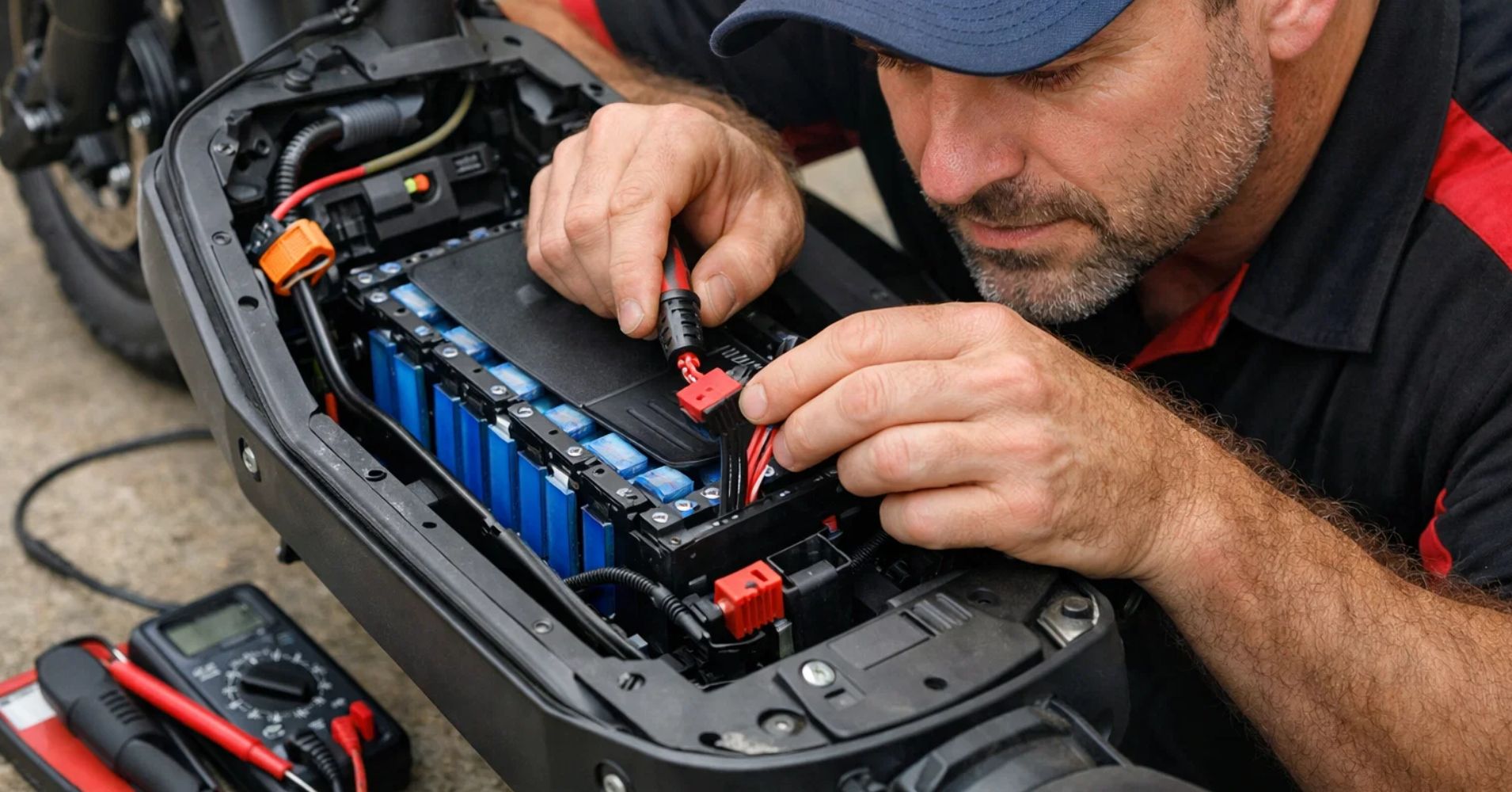
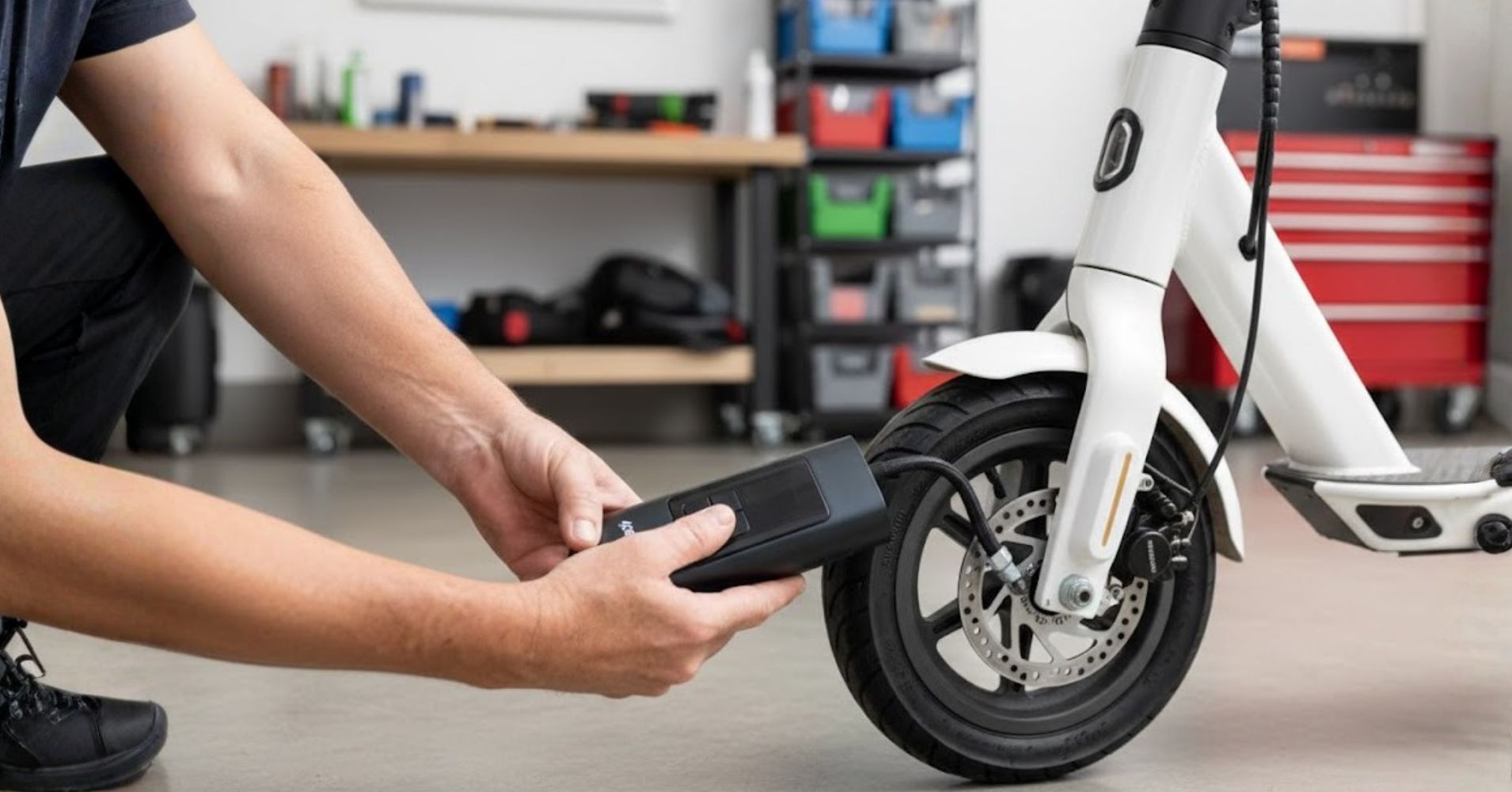
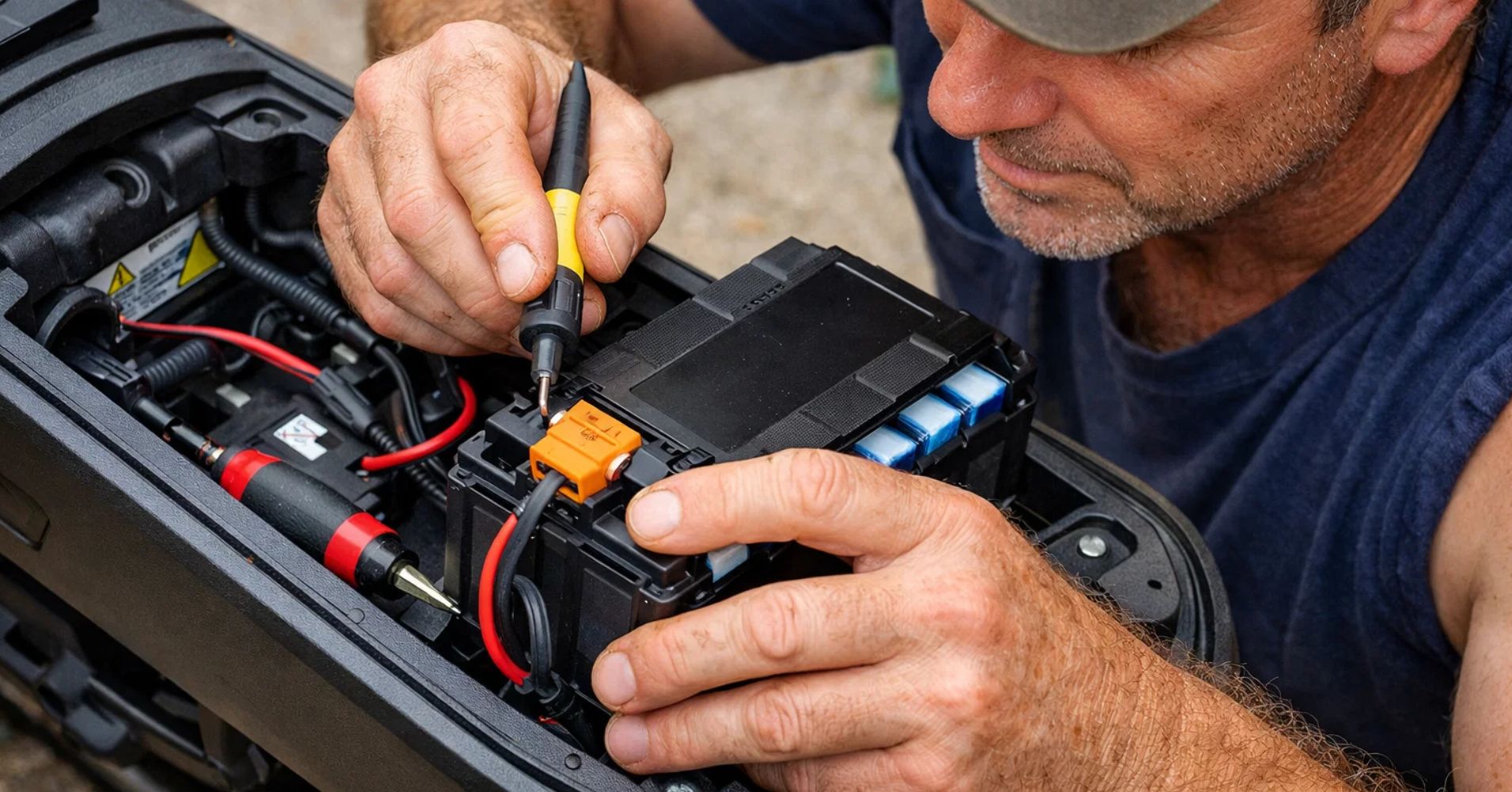
Regular maintenance is not only about tyres and brakes. Routine maintenance should include checking the battery area. Inspect the battery connections to ensure there is no corrosion or looseness that could damage the battery or reduce voltage flow.
From time to time, check the battery visually for swelling or unusual marks. This quick check the battery step can prevent battery issues from becoming safety risks. Keeping your battery clean and secure helps maintain your electric scooter’s reliability.
Simple maintenance tips to follow:
- Inspect the battery connections every few months
- Keep your electric scooter clean and dry
- Prevent battery strain by avoiding aggressive riding
- Maintain your electric scooter according to the manual
Consistent care supports optimal performance and safety without complex tools.
When this may not be the right fit
Some batteries reach the end of its life regardless of care. If your battery is fully charged but range drops sharply, or the battery every ride drains faster than expected, routine care may no longer be enough. A battery that needs to be replaced will not recover through charging habits alone.
If you notice damage to the battery casing, unusual smells or rapid voltage drops, stop using the scooter. In these cases, replacement is the safer option than trying to extend the life further.

How to judge if you need this now or later
If you use the scooter daily, battery maintenance tips should be part of your weekly routine. Occasional riders can focus on storage and charging basics. The life of your electric scooter improves when battery care matches how often you ride.
Ask yourself whether your riding style, storage space and charging access support healthy battery usage. If not, small changes now can prevent battery problems later.
Signs a replacement may be approaching
Even with excellent care, every battery has a limit. As charge cycles add up, battery capacity slowly declines. When your scooters battery no longer delivers reliable range per charge, it may be time to plan a replacement.
Common indicators include:
- Battery is fully but drains quickly
- Longer charging time than usual
- Battery charged but reduced power output
Planning ahead avoids being caught out when the battery reaches its end of its life.
Where this connects to electric mobility and next steps
Battery care is central to electric mobility. Learning how to optimize battery habits helps you get more value from your electric vehicle choice and keeps your scooter running smoothly. MiniEVs supports riders with practical guidance and quality scooters designed for Australian conditions.
If you want help choosing a charger for your scooter, advice on e scooter battery care, or support with electric scooter batteries, explore the MiniEVs range or speak with a specialist. Keeping your battery healthy today means safer, more enjoyable rides tomorrow.

Featured Products