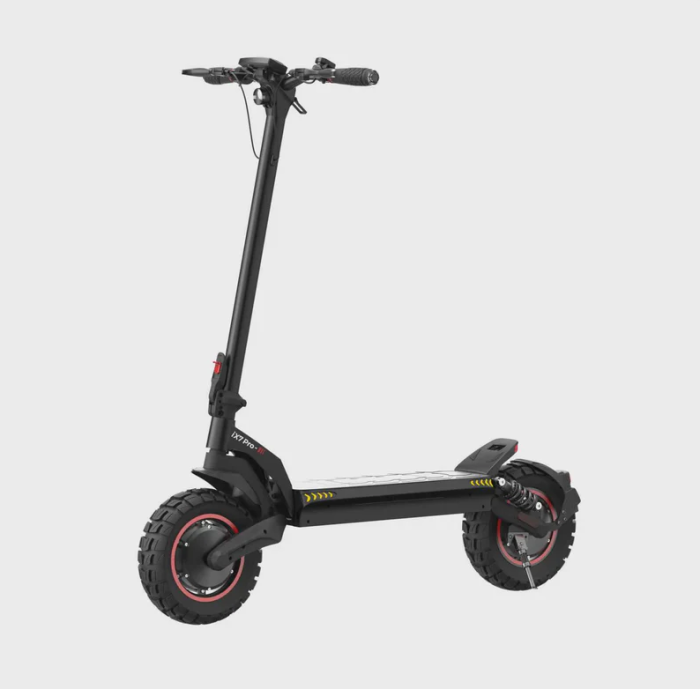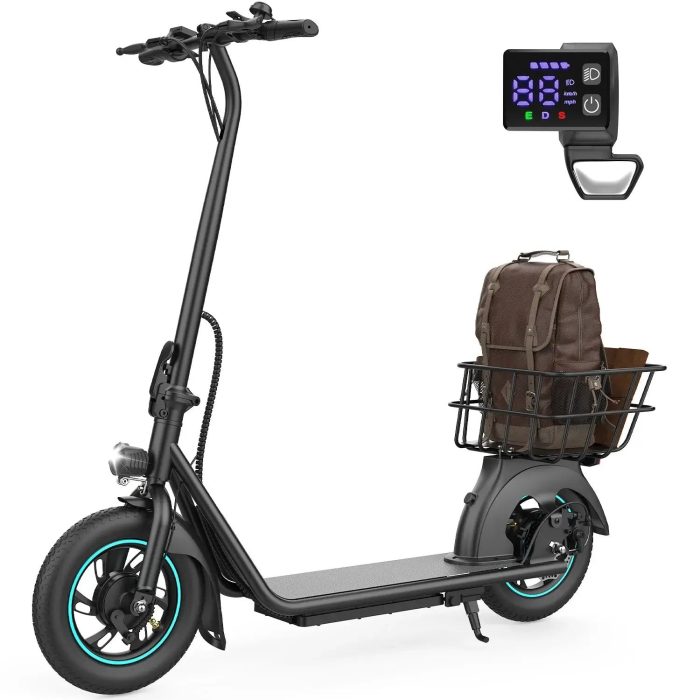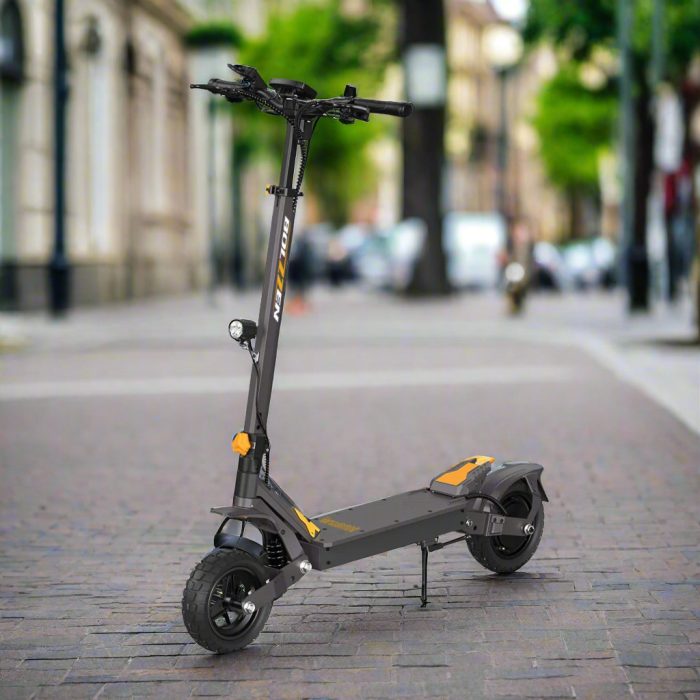
Electric scooters (e-scooters) have become increasingly popular as convenient and eco-friendly urban transportation options. One crucial yet often overlooked aspect of these sleek machines is their tires. E-scooter tires play a vital role in ride quality, safety, and overall performance, making it essential to understand the various types available and their respective advantages and disadvantages.
Types of E-Scooter Tires
1. Pneumatic (Air-filled) Tires:

Pneumatic tires are similar to those found on bicycles and cars, filled with air to provide cushioning and shock absorption. Typically made of rubber, they feature an inner tube that holds the air.
Pros:
- Comfort: Air-filled tires offer a smoother ride, absorbing bumps and vibrations from uneven surfaces.
- Grip: They provide excellent traction, enhancing stability and control, especially in wet or slippery conditions.
- Repairable: Punctures can often be repaired by replacing or patching the inner tube.
Cons:
- Maintenance: Regular maintenance is needed to ensure proper inflation and to check for leaks.
- Punctures: Vulnerable to punctures from sharp objects, leading to unexpected flats.
- Weight: Slightly heavier than solid tires, which may affect portability.
2. Vacuum (Tubeless) Tires:

Pros:
- Puncture Resistance: Less prone to punctures compared to pneumatic tires, as they do not have an inner tube that can be punctured.
- Maintenance: Require less frequent maintenance since there is no inner tube to check or replace.
- Durability: Typically more durable and longer-lasting than pneumatic tires due to their robust construction.
- Performance: Better at maintaining air pressure and often provide a smoother ride compared to solid tires.
Cons:
- Repair Complexity: More challenging to repair when punctured compared to pneumatic tires, often requiring a professional.
- Cost: Generally more expensive than pneumatic and solid tires.
- Weight: Can be heavier than solid tires, though usually comparable to pneumatic tires.
3. Solid (Airless) Tires:

Solid tires are made from dense rubber or other materials that do not require inflation. They are popular for e-scooters due to their durability and minimal maintenance.
Pros:
- Maintenance-Free: No need to worry about inflating or checking tire pressure.
- Durability: Solid tires are puncture-resistant and can withstand rough terrain and debris.
- Lightweight: Generally lighter than pneumatic tires, improving overall scooter portability.
Cons:
- Ride Comfort: Solid tires provide a stiffer ride compared to pneumatic tires, transmitting more vibrations from the road.
- Traction: They may offer less grip, particularly on wet or slippery surfaces.
- Shock Absorption: Limited cushioning, leading to a bumpier ride on uneven roads.
Choosing the Right Tires for Your E-Scooter
When selecting tires for your e-scooter, consider these factors:
- Terrain: Solid tires may suffice for smooth city streets, while pneumatic tires are better for rough terrain or off-road riding.
- Maintenance Preference: Solid tires are ideal for low-maintenance riders, while pneumatic tires provide a smoother ride but require upkeep.
- Weather Conditions: Pneumatic tires excel in wet conditions due to superior grip, whereas solid tires may slip on wet surfaces.
Conclusion
Understanding the different types of e-scooter tires is crucial for optimizing ride quality, safety, and overall performance. Pneumatic tires offer comfort and grip but require more maintenance. Vacuum tires provide a balance between durability and performance with less frequent maintenance but can be more challenging to repair. Solid tires are maintenance-free and durable but may compromise ride comfort and traction. Selecting the right tire type depends on your specific needs, riding conditions, and maintenance preferences.
Whether you opt for pneumatic or solid tires, ensuring they are properly maintained is crucial for safety and optimal performance. Assess your needs and consult with the experts at MiniEVs to find the best tires for your e-scooter.
Follow the links below to learn more!
1. Maintenance Tips and Tricks for the First 30 Days With Your E-Bike
2. DIY Repair Tips for Common E-Scooter Issues
3. Understanding E-Scooter Laws Across Different States

Featured Products