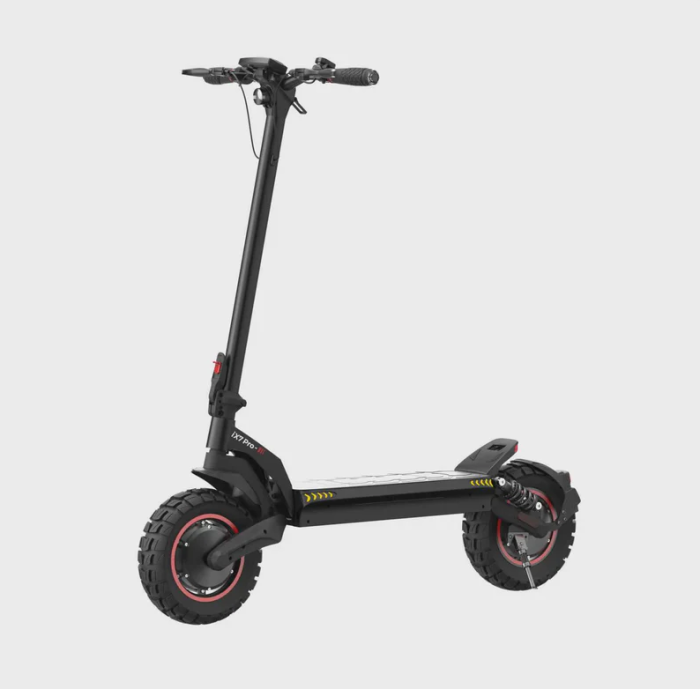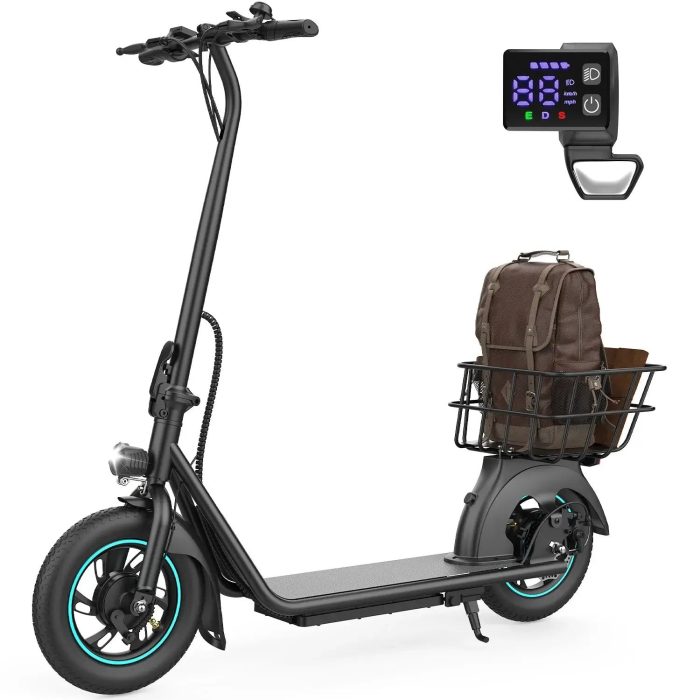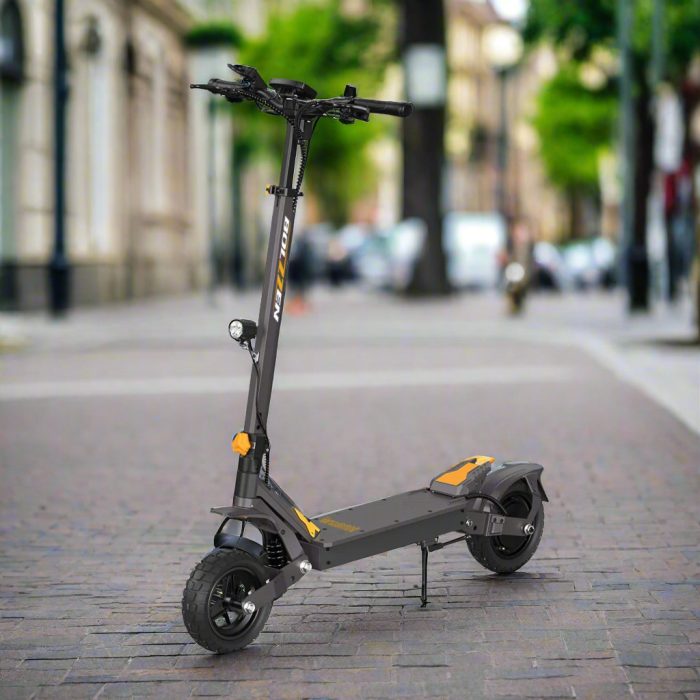
Electric scooter servicing helps maintain brakes, tyres, steering, fasteners, lights, the scooter battery and charging systems, and other key mechanical and electrical systems. Mini EVs gives general guidance of every 3 to 6 months or 500 to 1,000 km, whichever comes first, depending on how often you ride and the riding conditions involved. This is not a universal maintenance schedule, so your scooter manufacturer’s manual should always take priority. If you notice a change in braking performance, steering, charging or power delivery, the actual condition of the scooter matters more than waiting for a calendar date — regular electric scooter care is about responding to signs of wear, not just ticking a box.
Mini EVs generally recommends professional electric scooter servicing every 3 to 6 months, or 500 to 1,000 kilometer intervals, whichever comes first. This applies to most e-scooters and e-bikes used for regular commuting, though electric bikes and electric vehicles with different drivetrains may generally require less maintenance or a different annual service rhythm. Always check your scooter’s manufacturer or manual for the exact service intervals that apply to your specific model.
| What you find | What to do |
|---|---|
| No symptoms, scooter recently serviced and routine checks look normal | Keep monitoring. Continue owner checks and weekly maintenance habits, and follow the manufacturer’s maintenance schedule. |
| The applicable service interval is approaching or has been reached | Book a service. A professional inspection can identify wear and tear that isn’t obvious during routine checks. |
| Brake performance, steering or folding components feel different or loose | Book a service soon. These components can affect control and should not be left until a convenient future service. |
| Major physical damage, a swollen battery, corrosion, or a serious braking, steering or electrical fault is present | Stop riding and arrange inspection or repair. Do not rely on routine owner maintenance to diagnose a significant electrical or mechanical fault. |
For Brisbane riders ready to arrange an assessment, Repairs & Servicing provides the relevant Mini EVs service pathway, backed by a team of technicians experienced across e-scooter and e-bike maintenance.
Why there is no single service interval for every scooter
Electric scooter service frequency varies because scooters are used in different ways and have different mechanical and electrical components. Time, kilometres, riding conditions, and scooter type can all change how closely you need to monitor wear and maintenance needs — and how quickly a well-maintained electric scooter can start showing signs it needs attention.
- Time: A scooter can reach its applicable service point based on elapsed time even when it has covered relatively few kilometres. Components like brake fluid, lubricant and seals can degrade with age even in a scooter that isn’t ridden often.
- Kilometres: A high-use commuter scooter accumulates more riding cycles than one used occasionally, so distance is an important part of any maintenance schedule. Frequent commuters should generally lean toward the lower end of the recommended service intervals.
- Riding conditions: Rough surfaces, hills, frequent stop-start riding, dirt, moisture and extreme temperatures can all accelerate wear, accelerate corrosion, and cause dirt and debris to become contaminated within bearings, brakes and electrical components.
- Scooter type: Different scooters use different mechanical and electrical systems — an e-scooter and an electric bike don’t always share the same wheel bearings, brake pads or suspension components — so the manufacturer’s requirements remain the most relevant reference for your model.
The useful distinction is between a manufacturer’s specified maintenance schedule and general servicing guidance. Use the former when available, then use the scooter’s actual condition and how often you ride it to decide whether closer attention is needed sooner than planned.
Electric scooter maintenance tips you can do between professional services
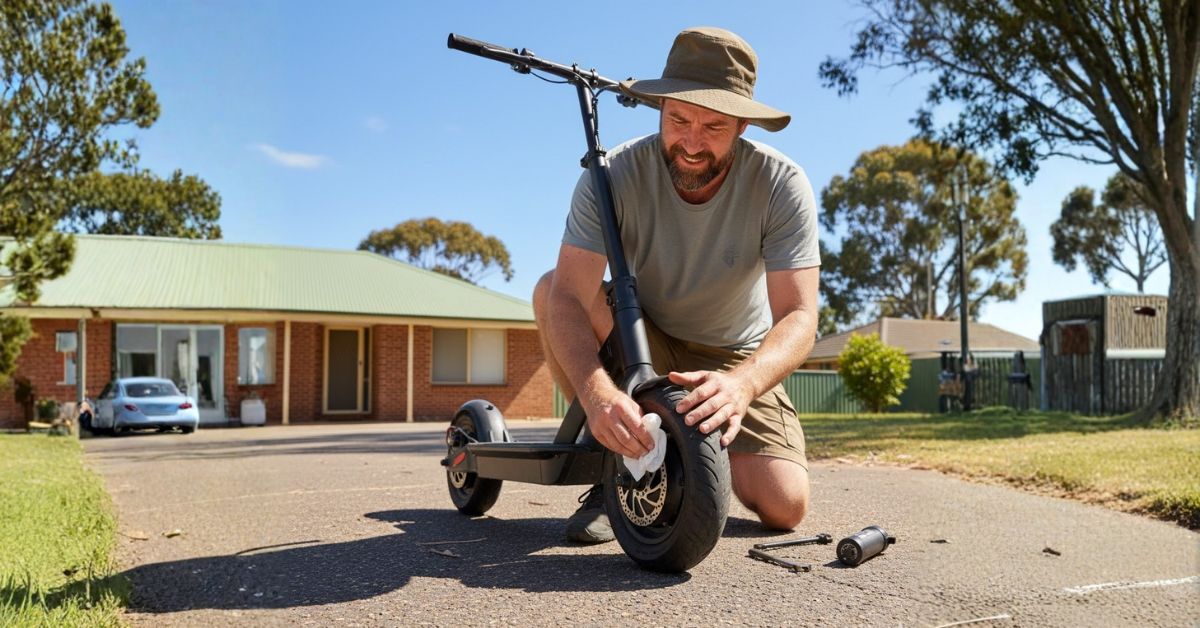
Electric scooter maintenance between professional services should focus on simple, preventative maintenance checks that help you notice changes early and prevent costly repairs down the line. These maintenance tips do not replace professional servicing or diagnosis of faults, but they do help protect your investment and improve safety.
- Check tyre pressure against the manufacturer’s recommended setting, and inspect tread and sidewalls for visible signs of wear or damage. Low tire pressure is one of the most common causes of poor riding experience and uneven tread wear.
- Check brake operation and brake maintenance basics — pay attention to changes in lever feel, noise, cable tension or overall braking performance. Worn brake pads or contaminated brake fluid can lead to inconsistent power delivery when slowing down.
- Check the steering, stem and folding components for unusual movement, looseness or corrosion.
- Inspect visible fasteners, cables, lights and mounts for looseness or damage. A loose fastener left unchecked can accelerate wear on nearby components.
- Keep the scooter clean and dry — use a damp cloth where appropriate to remove dirt and debris, and always dry your scooter thoroughly afterwards to help prevent corrosion of metal and electrical components.
- Check the scooter battery and charging equipment for visible damage, a faulty battery indicator, or changes in charging behaviour.
- Listen for changes around the wheel bearings — grinding, clicking or excess play can be an early sign that bearings need lubricant or replacement.
Routine checks are most useful when you know what is normal for your scooter. If a brake, steering component or electrical system develops a significant fault, do not try to turn that problem into a routine maintenance task — book a professional inspection instead.
For a more detailed owner checklist, see the Electric Scooter Service and Repair Checklist Brisbane.
Battery maintenance and extending the lifespan of your electric scooter
The scooter battery is one of the most expensive components to replace, so battery maintenance deserves its own attention within any maintenance guide. A few habits can meaningfully prolong the life of your battery and extend the lifespan of your electric scooter overall:
- Avoid leaving the battery fully depleted for long periods, and avoid charging or storing it in extreme temperatures.
- Watch the battery indicator for unusual drops in range or inconsistent power delivery, which can signal early electrical issues.
- Keep charging ports and connectors free of dirt and debris, since contaminated contacts can lead to poor charging performance or electrical repairs down the track.
- If you notice a swollen casing, unusual heat, or a battery that no longer holds charge as it should, stop use and seek professional inspection rather than attempting DIY electrical repairs.
Signs your electric scooter needs servicing sooner
Signs your electric scooter needs earlier attention should be judged by urgency, not simply by how close you are to the next service interval. Safety-critical changes deserve a higher priority than ordinary signs of wear and tear.
Stop riding and arrange inspection or repair if you have a serious braking or steering fault, major physical damage, a swollen battery, visible corrosion on electrical components, or another fault that makes the scooter unsafe to control.
Book a service soon if braking performance has changed, the steering or folding mechanism feels loose, a tyre repeatedly loses tire pressure, the tread looks unevenly worn, or charging or power delivery has become inconsistent.
Keep monitoring when the scooter is performing normally and your owner checks show no obvious damage, looseness or unusual changes. Continue following the manufacturer’s maintenance schedule rather than assuming a well-maintained electric scooter never needs professional inspection — even if your scooter appears fine on the surface, internal wear on bearings, brake pads or electrical systems isn’t always visible.
A change in charging behaviour should also be treated as a reason for assessment rather than an invitation to diagnose the battery yourself. If the problem persists, professional inspection can establish whether the scooter needs maintenance or repair.

What happens during a professional electric scooter service?
A worthwhile professional service should assess the components identified by the scooter’s maintenance requirements and the issues you have reported, using a maintenance checklist that covers both mechanical and electrical systems. The exact inspection and repair process can vary by model and condition.
- Discuss the scooter’s condition: The reported symptoms, how often you ride, and relevant maintenance history can help identify what needs closer attention.
- Inspect brakes and tyres: Brakes, brake pads and tyres are checked for condition, tread depth and other signs of wear that could affect braking performance or normal operation.
- Check steering and folding components: These areas, along with suspension components where fitted, are inspected for looseness, damage or other issues.
- Inspect fasteners and lights: Relevant visible fasteners and lighting components are checked as part of the service.
- Check the scooter battery and charging systems: Battery, cable tension and charging components are inspected for relevant electrical issues.
- Check bearings and lubrication: Wheel bearings and moving parts are inspected for wear, corrosion or the need for fresh lubricant.
- Road test the scooter: Where included in the service, road testing provides an opportunity to assess overall performance and consistent riding experience after inspection or adjustments.
Mini EVs states that its service and checklist information covers brakes, tyres, steering and folding components, fasteners, lights, battery and charging systems, and road testing. Its current authorised dealer and repair-centre information is available on the Authorised E-Scooter & E-Bike Dealer and Certified Repair Centre page.
Should you service your scooter by time, kilometres or both?
Use the service interval that applies to your scooter, then use its actual condition to decide whether it needs attention sooner. The following guide is designed to answer the more practical question of what to do next.
| Decision | When it applies | Next step |
|---|---|---|
| Keep monitoring | The scooter performs normally, owner checks show no obvious issues and its applicable service point has not been reached. | Continue routine checks and follow the manufacturer’s maintenance schedule. |
| Book a service soon | The applicable interval has been reached, or there are changes in braking, steering, tyres, charging or general operation. | Arrange a professional inspection rather than waiting for the next planned interval. |
| Stop riding and seek inspection or repair | A serious brake or steering fault, major damage, swollen battery or other significant safety-related problem is present. | Do not continue normal riding until the fault has been professionally assessed. |
This approach is more useful than choosing between time and kilometres in isolation. The maintenance schedule tells you when routine servicing is due, while the scooter’s condition tells you when that schedule needs to be brought forward — and consistent, preventative maintenance can help avoid expensive repairs later on.
When to book an electric scooter service in Brisbane
Brisbane riders can prepare for a service by noting the scooter model, approximate kilometres, when it was last serviced and any symptoms that have appeared. It is particularly useful to identify whether the concern involves braking, tyres, steering, charging, the battery or another part of the scooter’s mechanical and electrical systems.
Mini EVs provides electric scooter and e-bike servicing and repairs in Brisbane, with a team of technicians equipped to handle both routine maintenance and more involved electrical repairs. Before booking, Brisbane riders can review the Electric Scooter Service and Repair Checklist Brisbane for the areas covered, or check the Authorised E-Scooter & E-Bike Dealer and Certified Repair Centre information if brand-specific support is relevant.
If your scooter has reached its applicable service interval, is showing signs of wear, or needs professional diagnosis, contact or book with Mini EVs through its Repairs & Servicing page. For charging or battery-related concerns, the E-Scooter and E-Bike Battery Replacement and Repair in Brisbane information may also be relevant.
Frequently asked questions
How often should you service an electric scooter?
Most riders should aim to service an e-scooter every 3 to 6 months or every 500 to 1,000 kilometres, whichever comes first — though this can vary depending on how often you ride, riding conditions, and the manufacturer’s own maintenance schedule. At a minimum, most manufacturers recommend a professional inspection at least once a year even for lightly used scooters.
What should I tell a technician when booking a scooter service?
Provide the scooter model, approximate kilometres, when it was last serviced if known, and a clear description of any symptoms. Mention whether the issue concerns braking, tyres, steering, charging, battery behaviour or another system so the service can focus on the reported problem.
What maintenance should I avoid doing myself?
Routine checks such as tyre pressure, visible damage, lights and general condition are suitable for regular owner maintenance. Faults involving braking, brake fluid, steering, electrical systems or battery components are better treated as professional inspection or repair issues rather than routine adjustments, since incorrect DIY work can accelerate wear or lead to more expensive repairs.
When is a scooter issue a repair rather than a routine service?
A routine service is appropriate when the scooter is due for inspection and normal maintenance. A repair becomes the more relevant pathway when there is a specific fault, damage or persistent symptom such as a significant braking problem, steering looseness, repeated tyre pressure loss, worn wheel bearings, or inconsistent charging or power delivery.
Does riding in poor conditions change how closely I should monitor my scooter?
Riding conditions can affect the condition of components, so a scooter used on rough surfaces or exposed to dirt, moisture and extreme temperatures may warrant closer inspection and more frequent maintenance. Rather than applying a separate universal interval, use the manufacturer’s maintenance guidance and respond to visible wear and tear, corrosion, damage or changes in performance.

Featured Products